
How to Find a Dark-Sky Moon Viewing Spot Near You
A practical guide to choosing a nearby spot for lunar observing — reading light-pollution maps, judging seeing and transparency, and staying on the right side of access rules.
Read More
A practical guide to choosing a nearby spot for lunar observing — reading light-pollution maps, judging seeing and transparency, and staying on the right side of access rules.
Read More
A practical walkthrough of lunar coordinates, IAU feature names, and the small orientation checks that make any moon map match what you actually see in the eyepiece.
Read More
A practical comparison of neutral density, polarizing, and variable polarizing filters for lunar observing, with guidance on matching filter strength to telescope...
Read More
A stage-by-stage guide to watching a lunar eclipse: timing the contacts, choosing simple gear, staying comfortable, and knowing what to look for from first shadow to totality.
Read More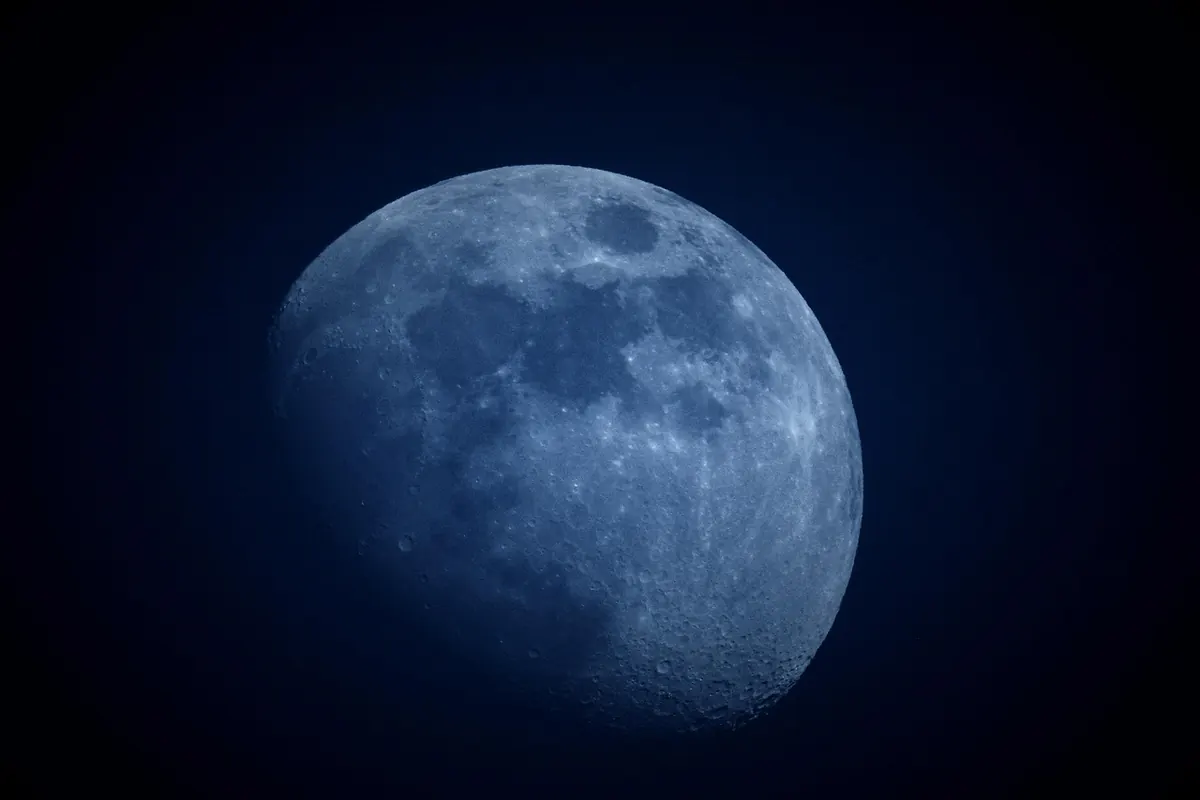
This practical guide shows how to move from the Moon’s naked-eye dark patches to named maria and major craters using a simple map, patient alignment, and a short...
Read More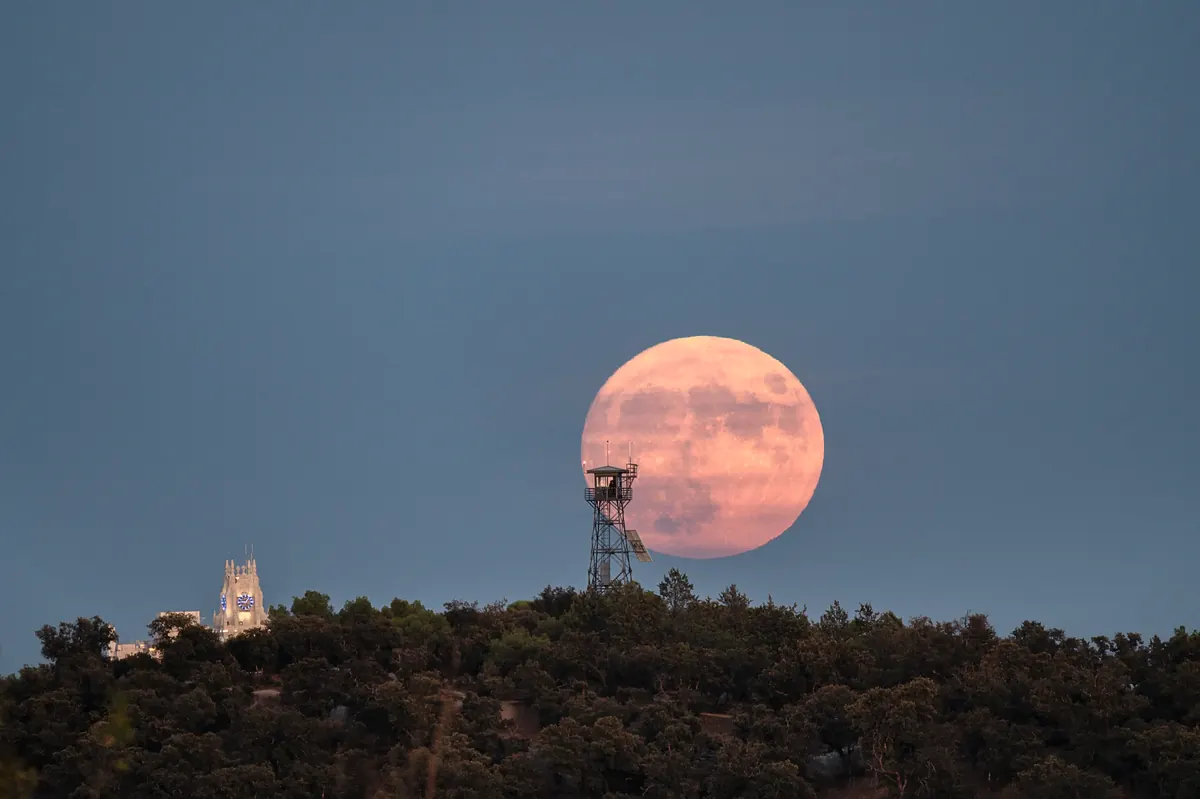
A supermoon is a full moon near perigee, only modestly larger than average. The dramatic horizon effect comes mostly from moon illusion, not a sudden change in size.
Read More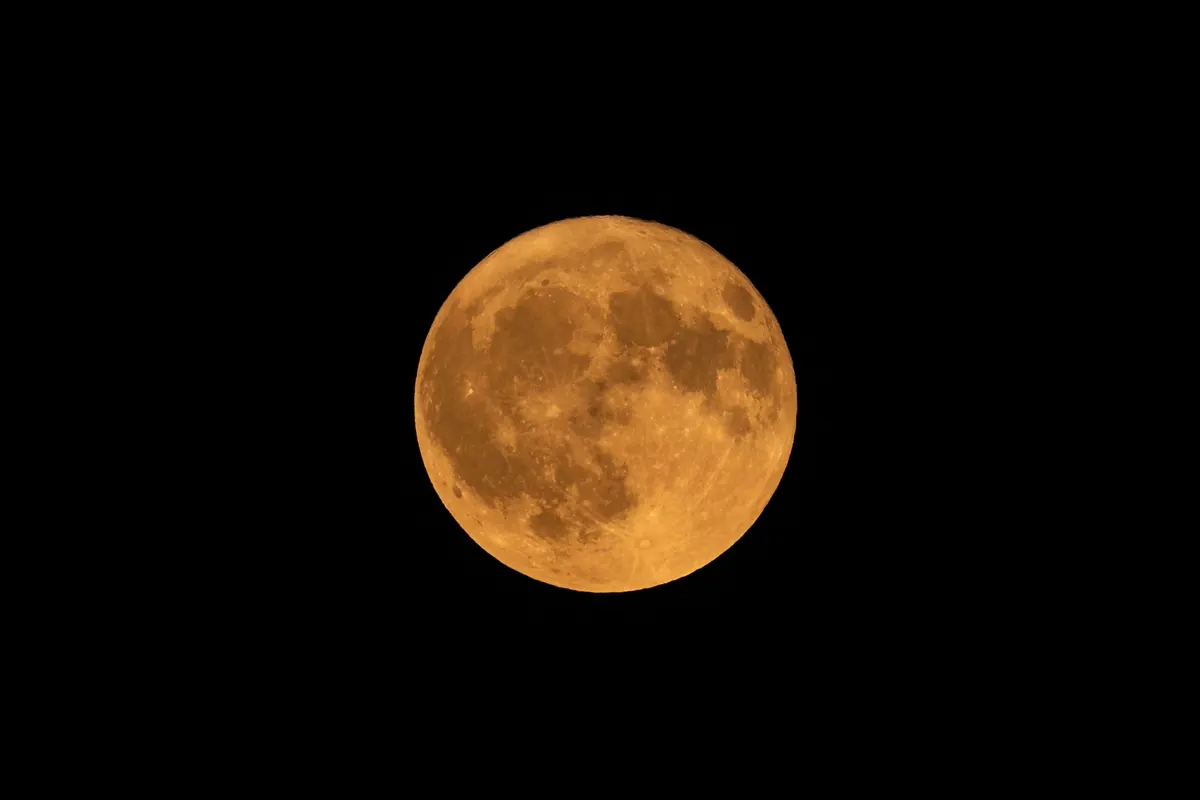
The Harvest Moon rises with unusual punctuality and lingering twilight. Here is how to read the numbers, choose a foreground and time the shot.
Read More
Most lunar photographs fail for the same handful of reasons — soft focus, blown highlights, shutter shake, timid framing. Here is how to spot each fault and fix it in...
Read More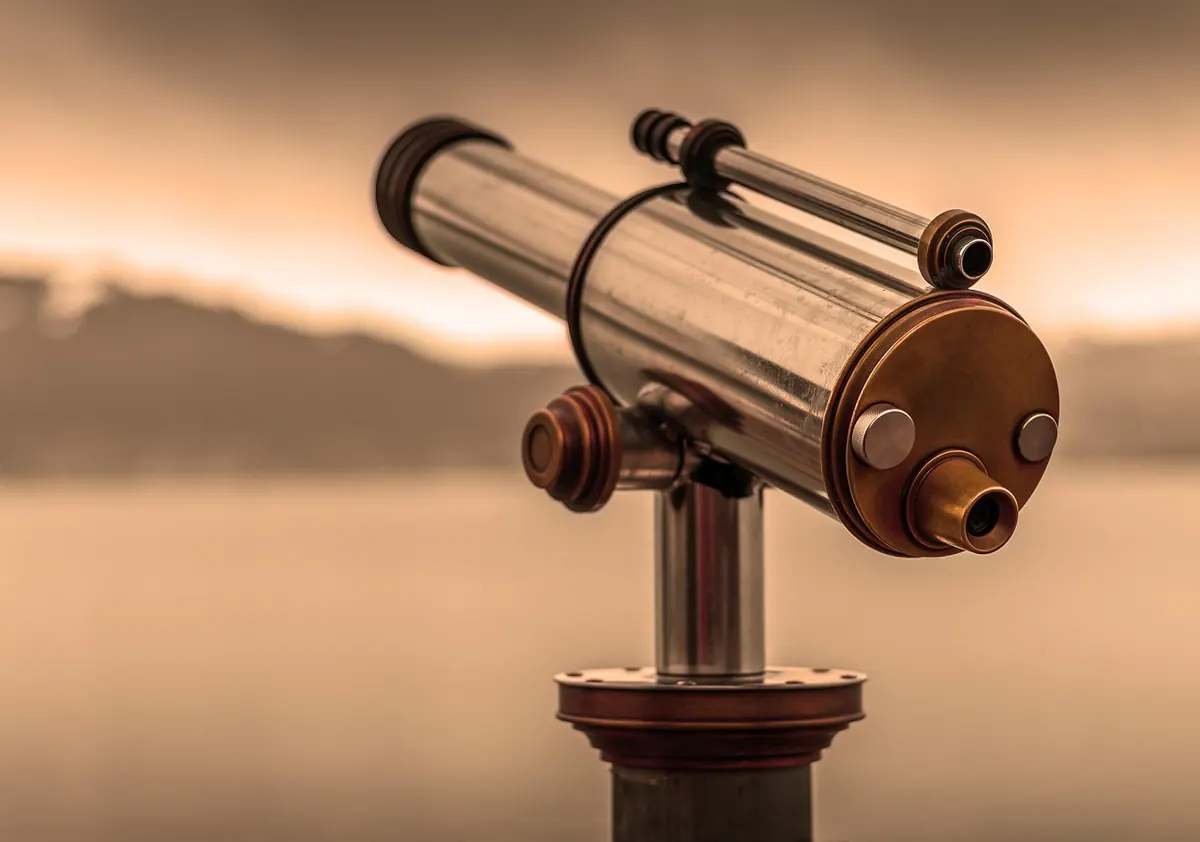
A practical comparison of binoculars and small telescopes for lunar observing — what each shows, what each costs, and how to choose your first instrument.
Read More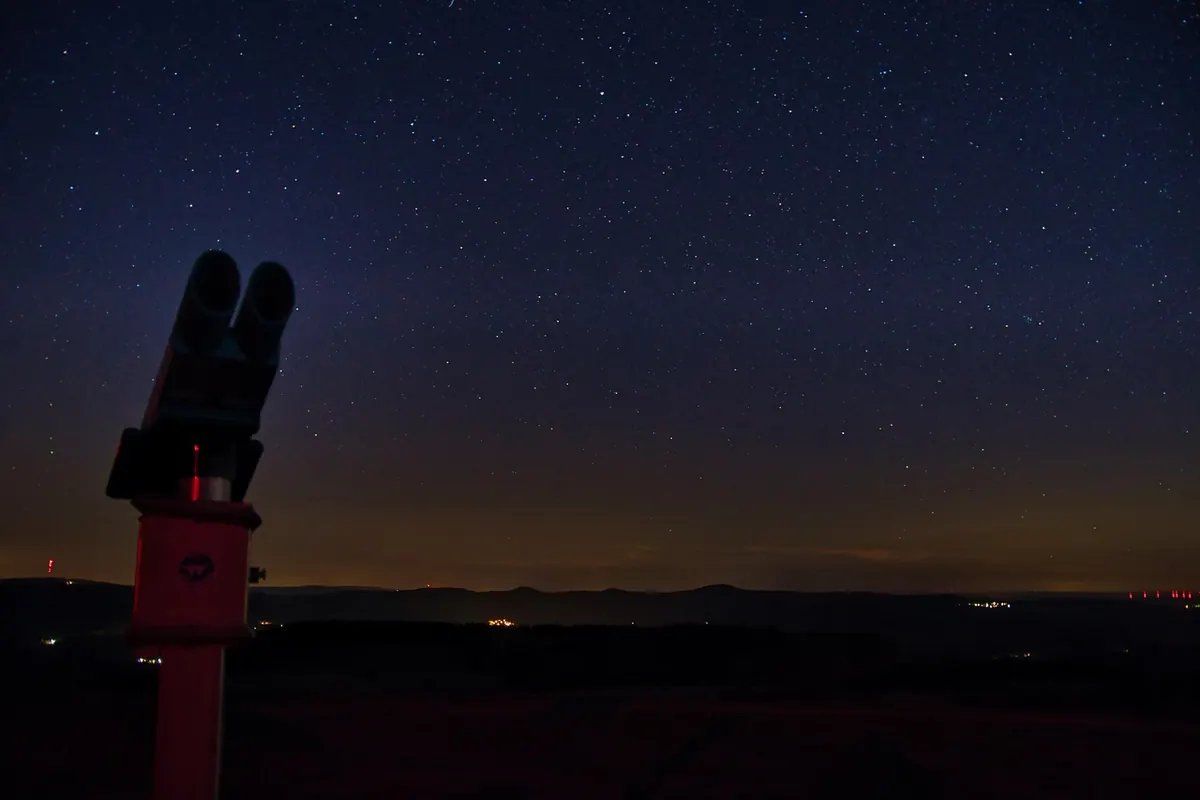
Everything you need for a first night with the Moon: the right binoculars, a dim red light, warm layers, a usable chart, and six targets you can actually find.
Read More